
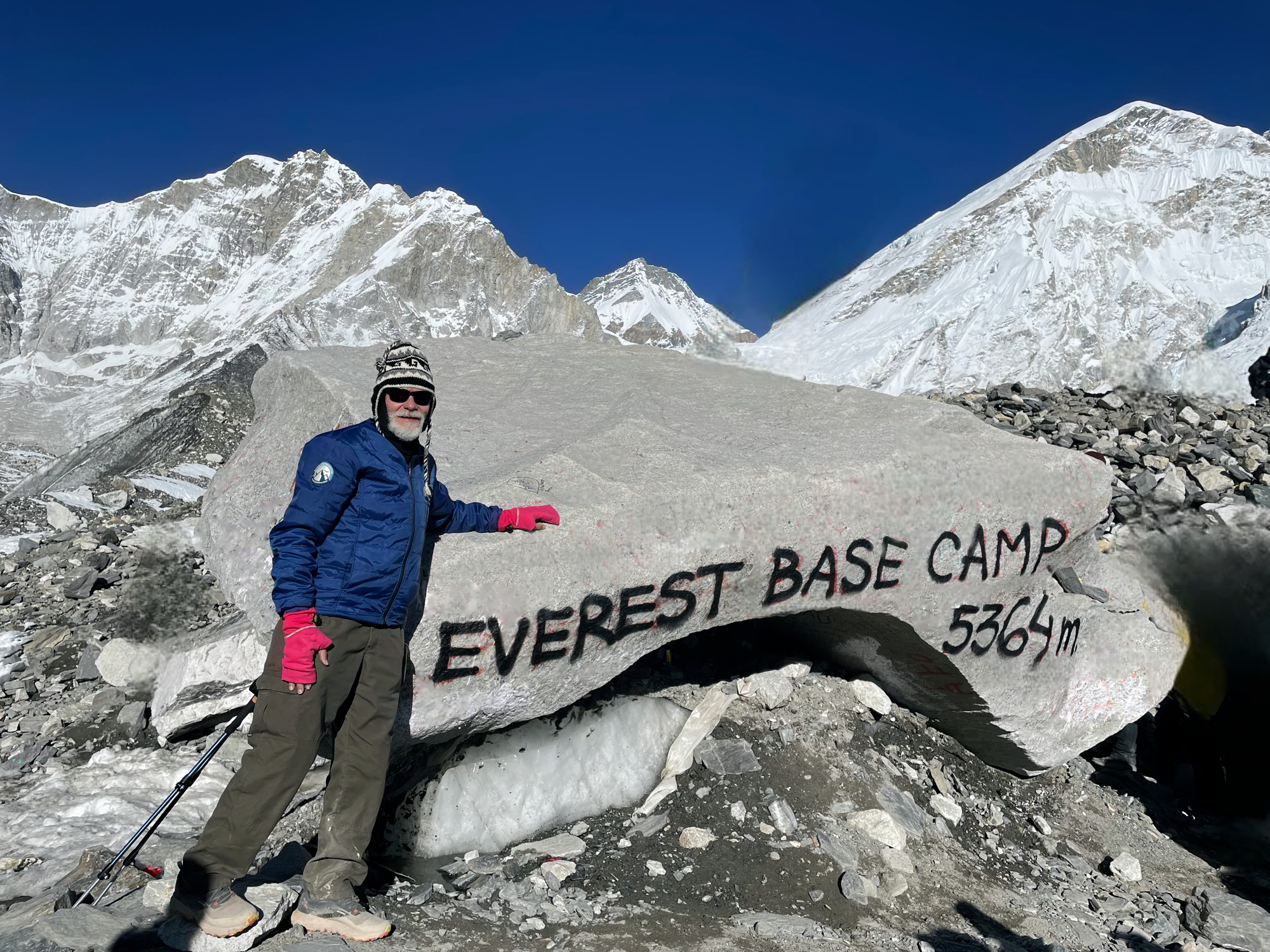
On my post dated November 5th, I summarized my October trip to Nepal, the highlight of which was a trek to visit Mt. Everest Base Camp. I was reminded of that adventure in a big way when I found a video segment from the CBS News program “60 Minutes” on this very subject (https://www.cbsnews.com/news/everest-commercialization-brings-opportunity-pressure-to-sherpas-60-minutes-transcript/).
With time comes perspective. It took me about three weeks to get my energy back. I still have some soreness in my right middle finger from a fall on the trail, and sometimes the right side of my chest hurts when I cough, the residue of multiple coughing spasms caused by cold, dry mountain air.
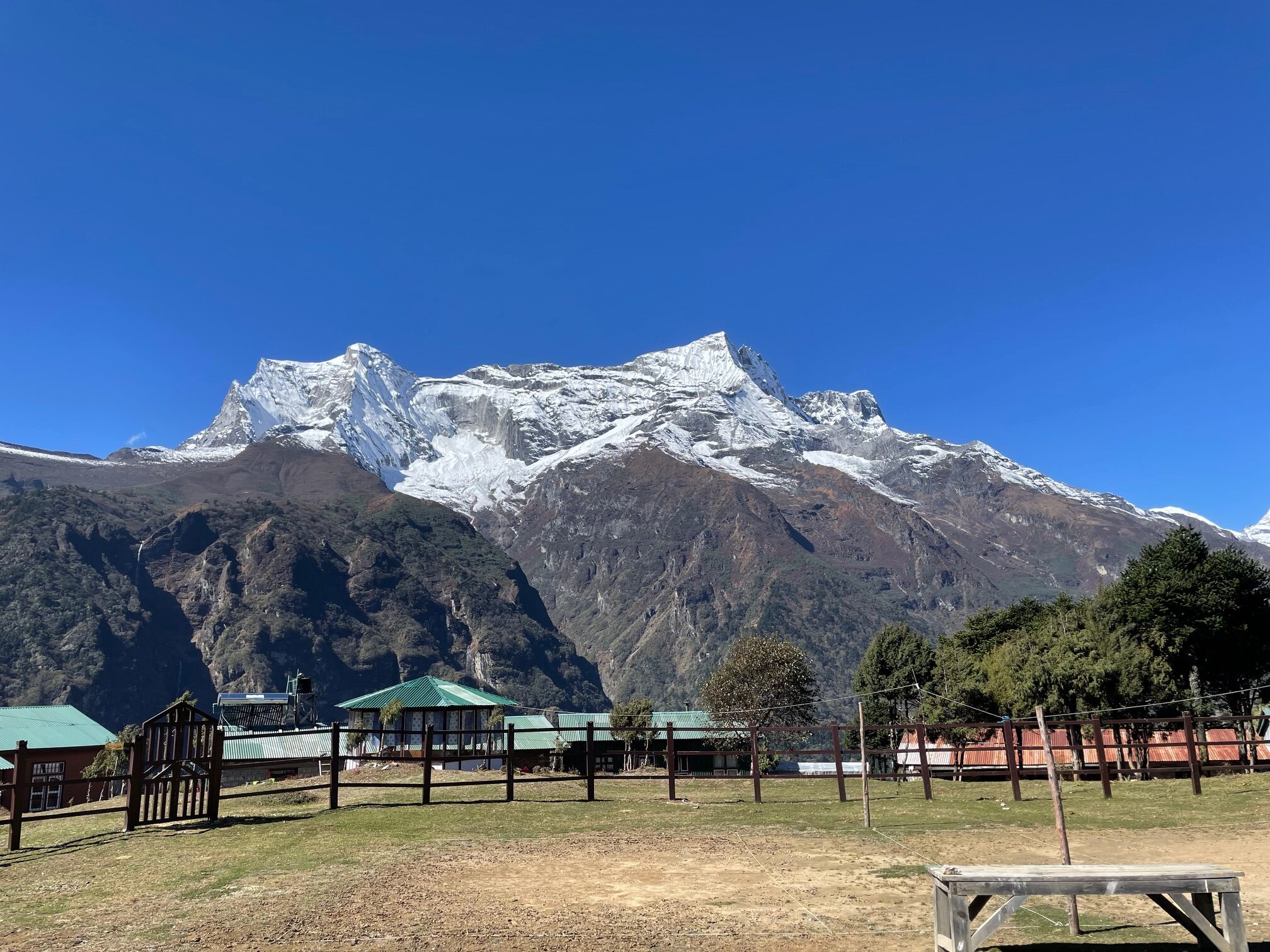
But the best part is the memories of the people, the culture, and the sheer beauty of the Himalayan Mountains. The “60 Minutes” crew visited in May during the climbing season. Mine was when there was nothing at Base Camp except fellow trekkers. The TV segment also touched on the actual climb to the summit, which for me is beyond reach. In addition to the danger, I have better ways to spend the estimated $100,000+ it takes to fund a serious expedition.
But the show’s title, “Commercialization of Everest Brings Opportunity, Pressure to Sherpas Carrying the Weight of Climbing Season,” puts the emphasis where it needs to be, on the people who make these adventures possible, especially the Sherpa guides. The Sherpas are an ethnic group from Nepal and Tibet who are known for their physical adaptation to high altitudes and their mountaineering skills. I can say from personal experience that none of this would be possible without them.

There is a Sherpa Culture Museum in Namche, Nepal. It includes the Mt. Everest Documentation Center with a photo collection of the climbers who have made it to the top, detailing their triumphs and tragedies. When I visited and viewed all the portrait photographs, one story stuck in my mind. I don’t remember his name, but it was a guide who had climbed Everest multiple times. Then he disappeared. He was of diminutive stature, and the suspicion was he was simply blown off the mountain. The rewards can be great, but so are the risks.
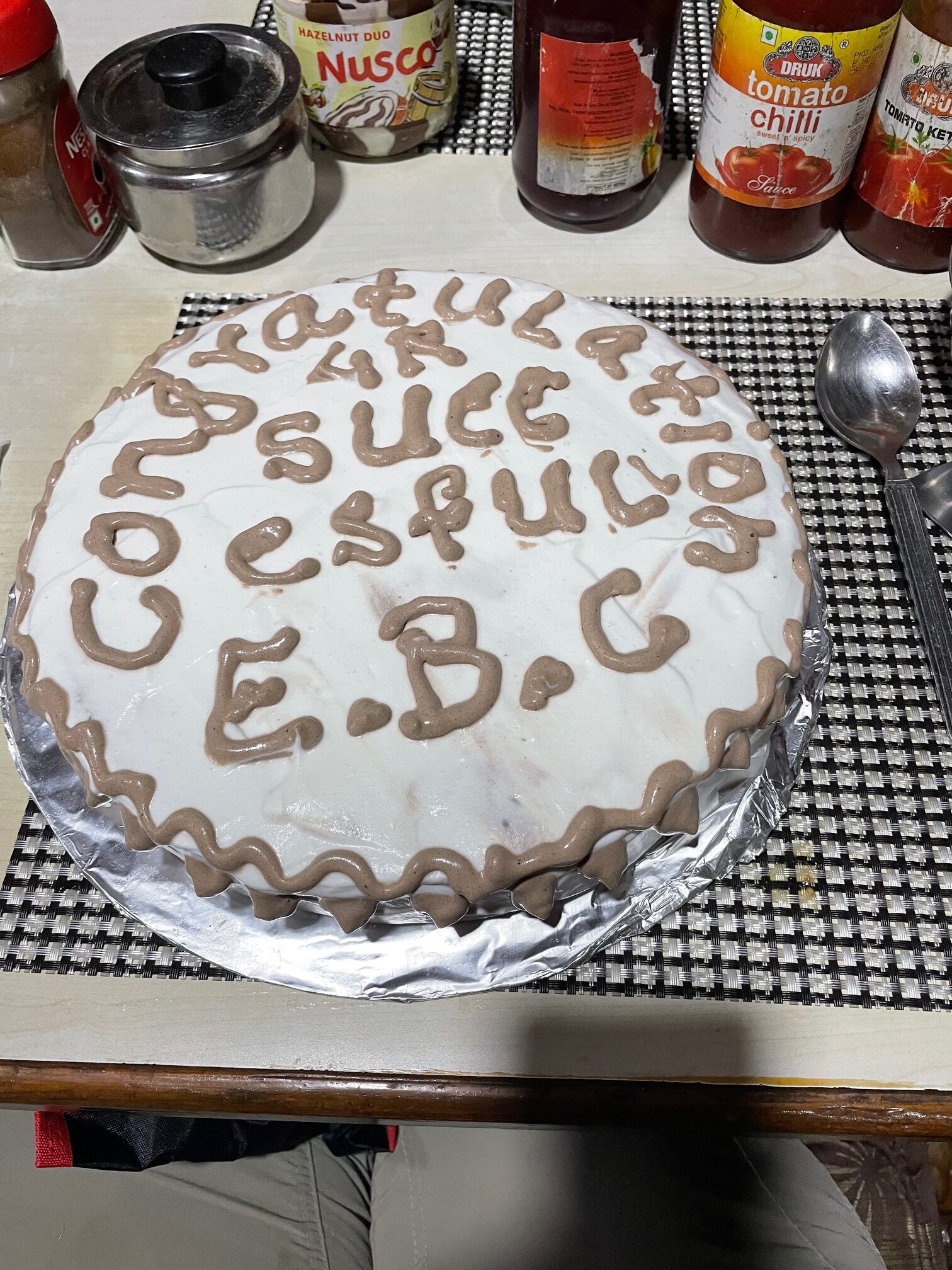
In my case, I owe my Sherpa guides and porters more than most trekkers. I was able to make the trek to Base Camp, and survive reasonably intact, only because of their accommodating the special needs stemming from my “unyouthful” age. This went so far as to present me with a celebratory cake, “Congratulations 4R Successful EBC [Everest Base Camp].” Everyone loves cake, right?
The entire trip was an amazing experience, providing a lifetime of special memories, and for that I am eternally grateful.